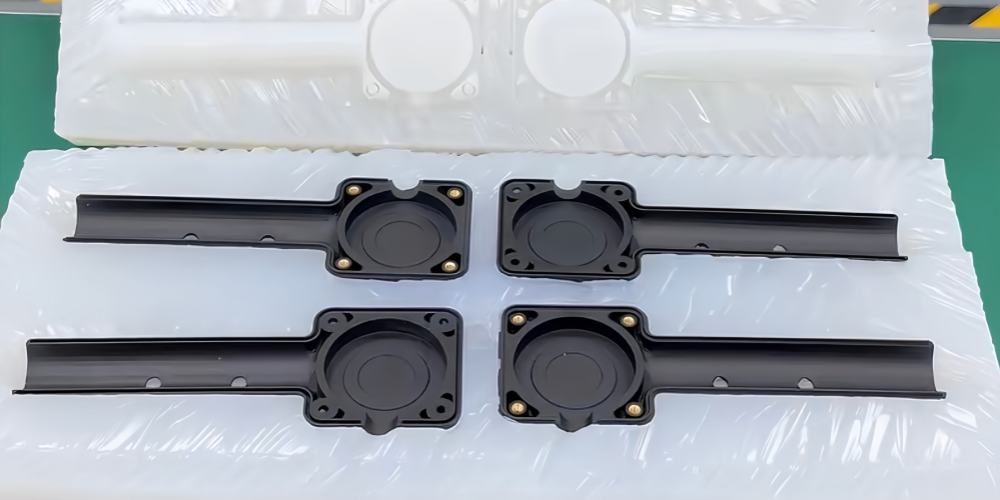
The modern automotive landscape is undergoing a massive transformation. With the rapid rise of electric vehicles (EVs) and the constant push for greater fuel efficiency, vehicle lightweighting has become a critical engineering objective. At the center of this manufacturing revolution is custom automotive injection molding. This highly precise manufacturing method is responsible for producing everything from intricate dashboard components to durable under-the-hood housings. But what exactly goes into this process? In this comprehensive guide, Rally Plastic will break down the exact step-by-step automotive plastic parts manufacturing process, explore the advanced materials used, and examine why top-tier quality control is non-negotiable. Whether you are dealing with traditional combustion engines or next-generation EVs, understanding this process is the key to optimizing your supply chain.
Introduction to Automotive Injection Molding
Before diving into the exact production phases, we must establish a clear definition. Custom automotive injection molding is a precise manufacturing process. First, raw plastic resins are melted. Next, they are injected into a machined metal cavity, known as the mold. Finally, the material is cooled and ejected as a solid, finished part.
The automotive industry heavily relies on this technology. It is one of the few methods capable of producing millions of identical parts with minimal dimensional variation. A single car can contain over 30,000 individual parts. Plastics make up roughly 20% of the vehicle’s total weight. However, they represent a much larger percentage of its total volume.
The evolution of the automotive plastic parts manufacturing process has allowed engineers to replace heavy metal components with advanced polymers. Crucially, this is done without sacrificing structural integrity. The versatility of this process is unmatched. It assists with everything from NVH (Noise, Vibration, and Harshness) management to achieving flawless Class A surfaces for exterior panels.
At Rally Plastic, we leverage decades of expertise to optimize every phase of this complex ecosystem. We actively reduce cycle times and eliminate costly defects before they ever reach the production floor.
Engineering and Design for Manufacturability (DFM)
The most critical step in the entire automotive plastic parts manufacturing process actually happens before a single drop of plastic is melted. Designing injection molding automotive parts requires a rigorous Design for Manufacturability (DFM) analysis. If a part is poorly designed, no amount of machine pressure or advanced material will save it from defects like sink marks, voids, or warping.
During the DFM phase, you should focus on several key parameters:
- Wall Thickness: Maintaining uniform wall thickness is paramount. Uneven walls lead to different cooling rates, which is the primary cause of internal stress.
- Draft Angles: To ensure the part can be ejected smoothly without friction or scuffing, a slight taper (usually 1 to 3 degrees) is added to the walls parallel to the direction of the mold opening.
- Gate Location: The gate is where the molten plastic enters the cavity. Placing it in the optimal location ensures even flow and hides cosmetic blemishes on non-visible surfaces.
For engineers wondering how to reduce warpage in automotive plastic parts, the answer almost always lies in optimizing the DFM and the mold’s cooling channel layout. By running mold flow analysis software, manufacturers can simulate the entire injection cycle, predicting how the material will behave under specific temperatures and pressures, thereby saving weeks of trial and error.
Tooling and Mold Creation
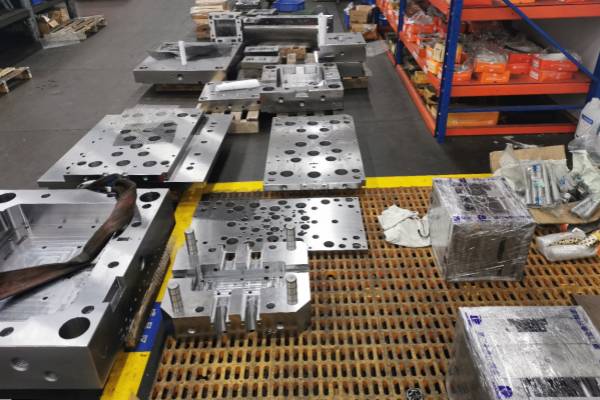
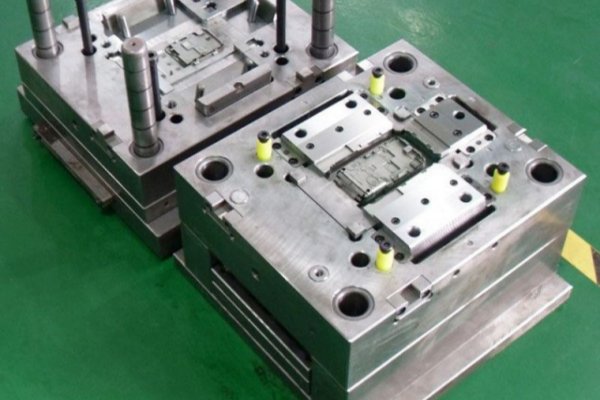
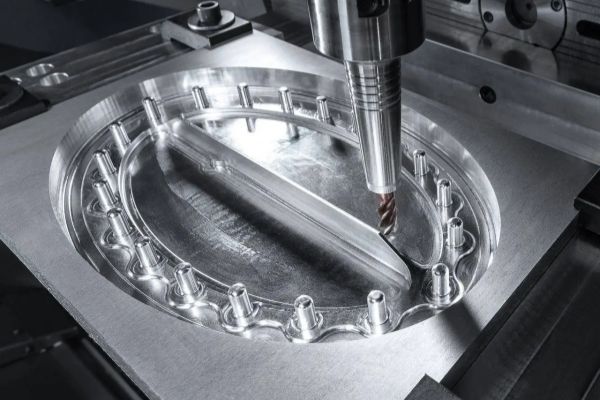
Once the design is finalized, the process moves into the tooling phase. The mold (or tool) is the heart of automotive plastic injection molding. Because these molds must withstand extreme pressures and hundreds of thousands of cycles, they are typically CNC machined from high-grade hardened steel (such as H13 or P20).
Creating a mold is an intricate process that involves cutting the core and cavity, installing ejector pins, and routing complex cooling channels. The cooling system is particularly vital; if the mold cannot dissipate heat efficiently, the cycle time increases, driving up the cost per part. Furthermore, for highly technical applications like AI-optimized injection molding for EV battery enclosures 2026, the tooling must accommodate complex geometries and integrated sensor pathways that were previously impossible to mold.
When it comes to high-quality injection molding, automotive standards dictate that the tool must also account for material shrinkage. Every plastic polymer shrinks slightly as it cools. Tooling engineers must calculate this exact shrinkage rate and machine the mold cavity slightly larger than the final specified dimensions of the part to ensure tight tolerances are met perfectly upon cooling.
Automotive Plastic Parts Manufacturing Process Step-by-Step
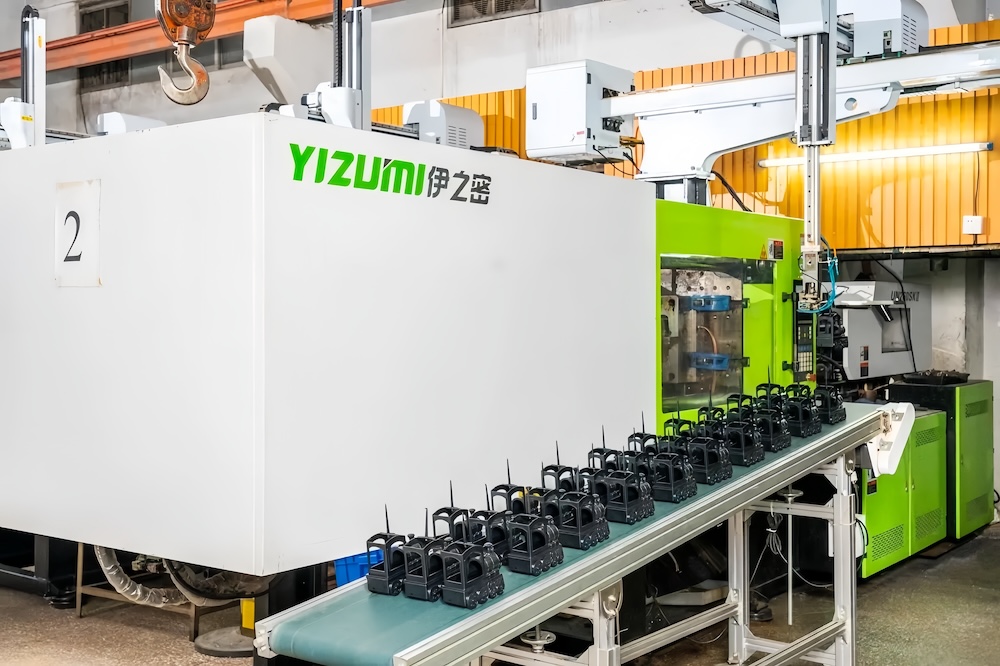
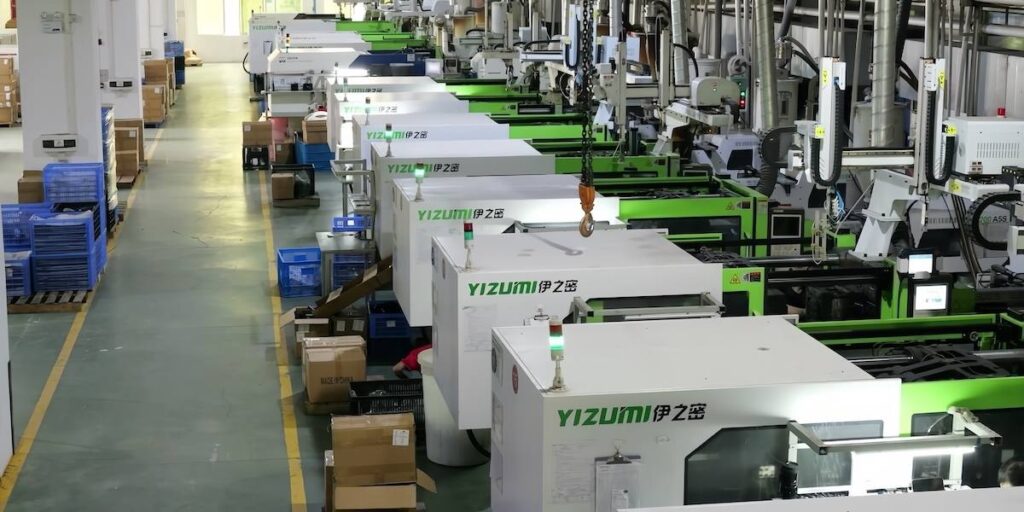
With the tool loaded into the press, the physical production begins. This cycle of the automotive plastic parts manufacturing process is a symphony of thermodynamics and fluid mechanics, consisting of four distinct stages:
Step 1: Clamping
The injection molding machine has a stationary platen and a moving platen. The two halves of the mold are attached to these platens. A powerful hydraulic or electric clamping unit pushes the mold halves together. The machine must exert enough clamping force to keep the mold completely closed during injection. The required clamping force (F) can be approximated by the equation F = P*A, where P is the injection pressure and A is the projected area of the part.
Step 2: Injection
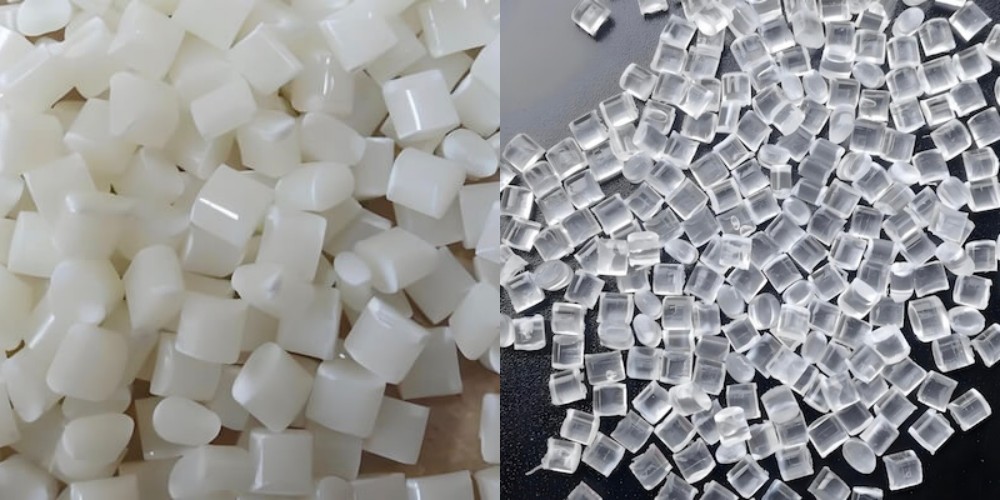
Thermoplastic pellets are fed from a hopper into a heated barrel. Inside the barrel, a reciprocating screw rotates, melting the plastic through sheer friction and heater bands. Once the plastic reaches the exact injection molding automotive materials specification (often between 200°C and 300°C), the screw plunges forward like a syringe, forcing the molten polymer into the mold cavity at high velocity and pressure.
Step 3: Cooling and Packing
As soon as the plastic contacts the cold steel of the mold, it begins to solidify. During this phase, the machine maintains “holding pressure” to pack more plastic into the cavity, compensating for material shrinkage. The part is held in the mold until it is structurally rigid enough to be ejected. This cooling phase often accounts for 50% to 75% of the total cycle time.
Step 4: Ejection
Once cooled, the clamping unit opens the mold. A robotic arm or mechanical ejector pins push the finished plastic injection molding automotive parts out of the cavity. The mold then closes, and the cycle repeats instantly. At Rally Plastic, our automated systems ensure this cycle runs with maximum efficiency and flawless repeatability.
Key Materials Used in Automotive Injection Molding
Choosing the right resin is a critical step in the automotive plastic parts manufacturing process, just as important as the tooling. The automotive environment is harsh, requiring materials that resist UV degradation, extreme temperature fluctuations, and chemical exposure. To help you navigate these choices, we have compiled a quick-reference material matrix below, detailing the core polymers used in our processes:
| Polymer Type | Key Material Properties | Common Automotive Applications |
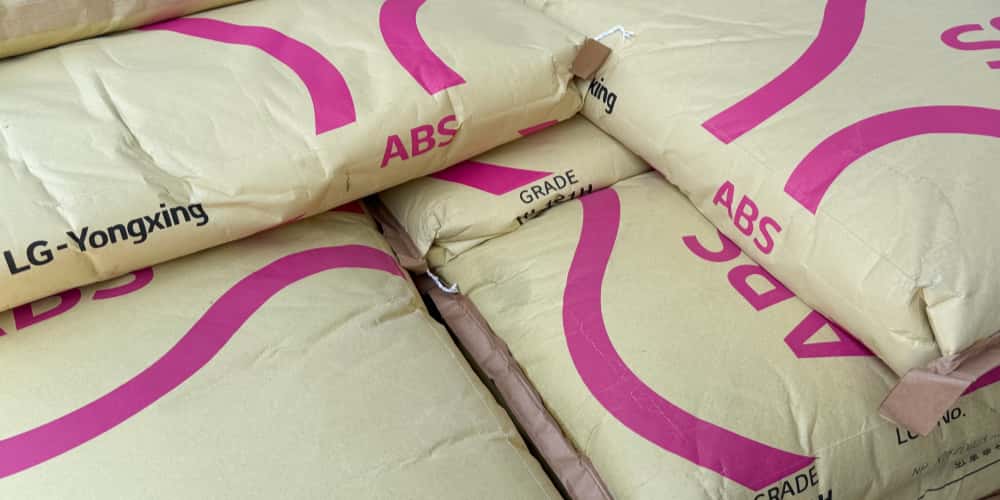
| ABS (Acrylonitrile Butadiene Styrene) | High impact resistance, excellent surface finish, easily electroplated. | Dashboards, steering wheel covers, interior trim. |
| PP (Polypropylene) | Superior chemical/solvent resistance, lightweight, cost-effective. | Car bumpers, fluid reservoirs, cable insulation. |
| PA (Polyamide / Nylon) | Extreme thermal stability, high wear resistance, structural strength. | Air intake manifolds, engine covers, under-the-hood housings. |
| PC (Polycarbonate) | Outstanding optical transparency, heavy-duty impact resistance. | Headlight lenses, transparent exterior/interior housings. |
Working with an expert plastic car parts manufacturer ensures that the correct polymer blends—including advanced composites for vehicle lightweighting—are selected to balance cost, performance, and durability.
Applications: Where Are These Parts Used?
The versatility of custom automotive injection molding means it is utilized across virtually every zone of a modern vehicle. We generally categorize these applications into three main areas:
Plastic Interior Components
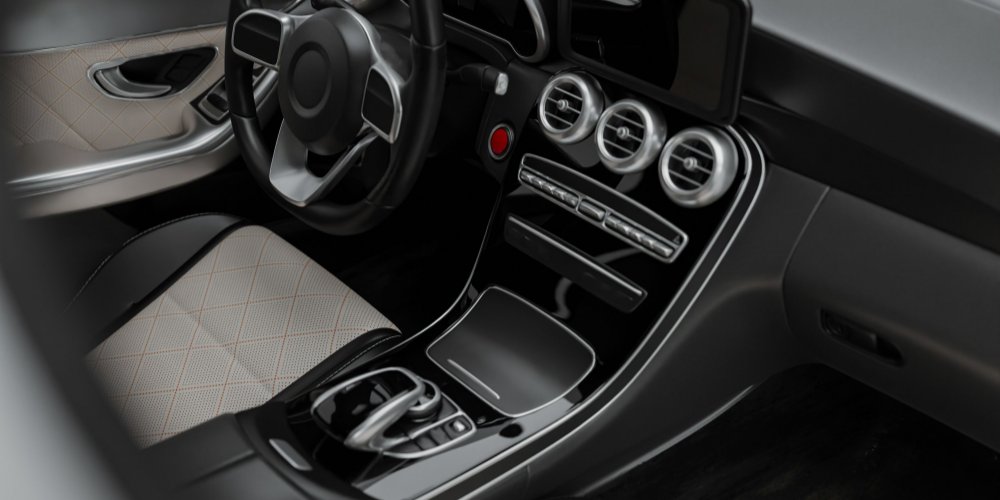
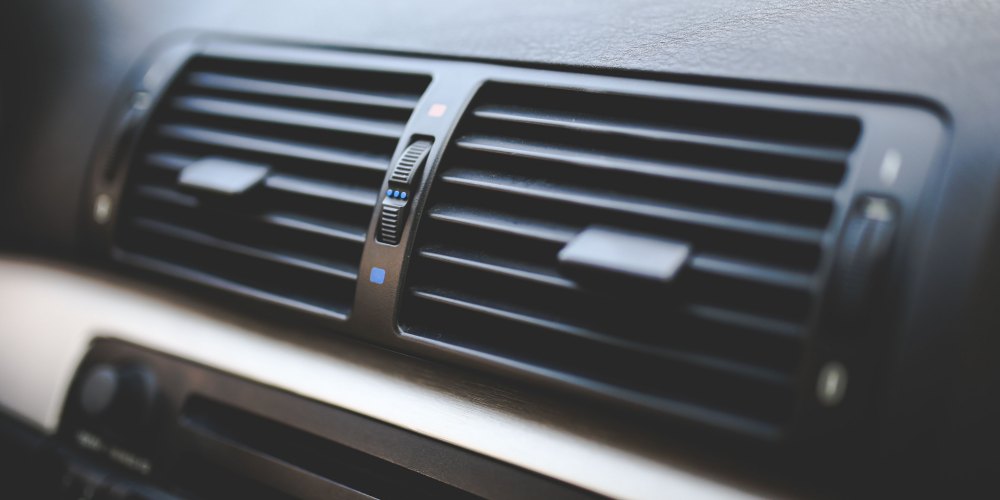
Aesthetics and tactile feel are crucial here. Injection molding is used to produce dashboards, glove boxes, air conditioning vents, center consoles, and door handles. Through advanced techniques like overmolding, soft-touch grips can be added directly onto rigid plastic substrates in a single cycle.
Plastic Exterior Components
These parts must endure the elements. Bumpers, grilles, fender flares, and mirror housings are all injection molded. Manufacturers often focus heavily on achieving Class A surfaces—flawless, high-gloss finishes that are ready for automotive painting or texturing right out of the mold.
Plastic Under-the-Hood Components
Historically dominated by metals, the engine bay is now filled with advanced polymers. Components like cylinder head covers, oil pans, battery brackets, and radiator cooling fans are molded from heat-resistant composites. This not only reduces the total weight of the vehicle but also aids in vital NVH (Noise, Vibration, and Harshness) management.
Quality Control and IATF 16949 Standards
In the automotive sector, “good enough” is never acceptable. The liability and safety risks are too high. This is why top-tier automotive injection molding suppliers strictly adhere to IATF 16949—the global technical specification and quality management standard for the automotive industry.
The quality control phase of the automotive plastic parts manufacturing process involves rigorous First Article Inspection (FAI), utilizing Coordinate Measuring Machines (CMM) to verify that every dimensional tolerance meets OEM specifications. We also conduct stress tests, thermal cycling, and visual inspections for cosmetic defects. Whether you are dealing with a standard dashboard clip or a critical structural component, ensuring ISO and IATF compliance is what separates a reliable manufacturing partner from the rest.
Why Choose Rally Plastic for Your Automotive Needs?
Finding a reliable partner in the complex world of global manufacturing can be daunting. As a manufacturer over 10 years history in custom automotive injection molding, Rally Plastic combines state-of-the-art DFM engineering, precision toolmaking, and automated production floors to deliver uncompromised quality.
Whether you are seeking a custom injection molding quote for a new electric vehicle platform or need to troubleshoot a legacy component, our engineering team is ready to assist. We understand the stringent demands of vehicle lightweighting, strict OEM tolerances, and high-volume scalability.
Partner with Rally Plastic today, and let us drive your next automotive innovation from a digital CAD file to a flawless, road-ready reality. Contact our team to discuss your specific project requirements.