When developing a new plastic product, selecting the right thermoplastic resin is one of the most critical decisions an engineering team must make. Making the wrong choice can lead to structural failures, cosmetic defects, or unnecessarily high production costs. Among the most widely used materials in manufacturing today are Polycarbonate (PC) and Acrylonitrile Butadiene Styrene (ABS). But what exactly is the difference between PC injection molding services and ABS injection molding services? While both are excellent, highly versatile thermoplastic polymers, they cater to vastly different engineering requirements.
Whether you are designing rugged enclosures for industrial machinery or sleek consumer electronics, understanding the nuanced differences in material properties and the injection molding process is crucial. This comprehensive guide from Rally Plastic will walk you through everything you need to know to make an informed material selection.
Key Takeaways: PC vs ABS Material Properties at a Glance
Before diving deep into the technical specifications, here is a quick summary of the PC vs ABS material properties to help you understand their primary differences:
- Strength: PC is significantly stronger and more impact-resistant than ABS.
- Appearance: PC can be manufactured as completely clear (transparent plastic injection molding materials), whereas ABS is naturally opaque.
- Heat Resistance: PC can withstand much higher temperatures before deforming compared to ABS.
- Cost: ABS is substantially more affordable, making it the go-to choice for consumer goods.
- Processability: The ABS injection molding process is generally easier, requiring lower temperatures and less complex mold designs than PC.
For companies evaluating the cost difference between PC and ABS, the decision often comes down to balancing strict performance requirements against the project’s manufacturing budget.
Understanding the Basics: What are PC and ABS?
What is Acrylonitrile Butadiene Styrene (ABS)?
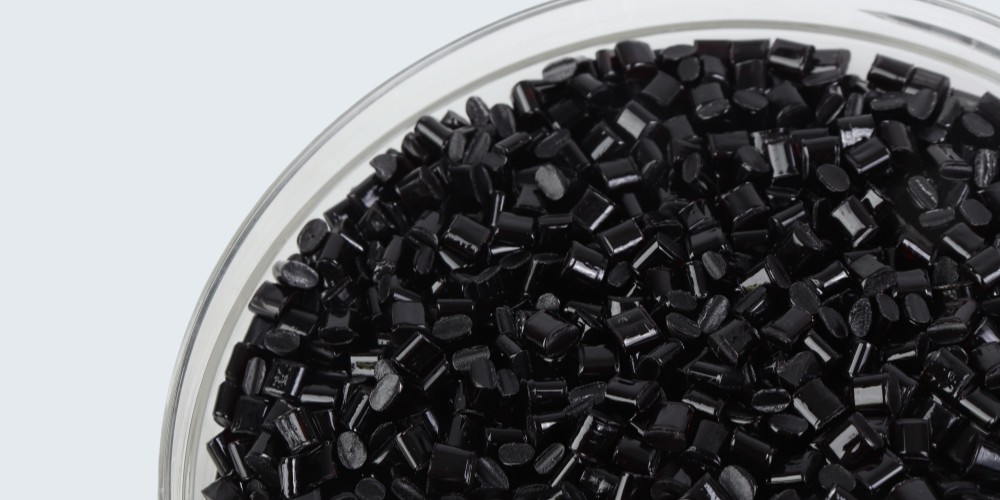
ABS is an opaque engineering thermoplastic polymer made from three monomers: acrylonitrile, butadiene, and styrene. Each component contributes a unique property. Acrylonitrile provides chemical resistance and thermal stability; butadiene delivers exceptional impact resistance and toughness; and styrene gives the plastic its rigid, glossy finish.
Because of this unique chemical makeup, ABS is celebrated for its excellent dimensional stability and ease of processing. It is highly receptive to secondary operations, meaning ABS parts can be easily painted, glued, metallized, or electroplated. If you are looking for an affordable, durable material for everyday products, partnering with an experienced provider like Rally Plastic for high-quality ABS injection molding services is typically the most cost-effective route.
What is Polycarbonate (PC)?
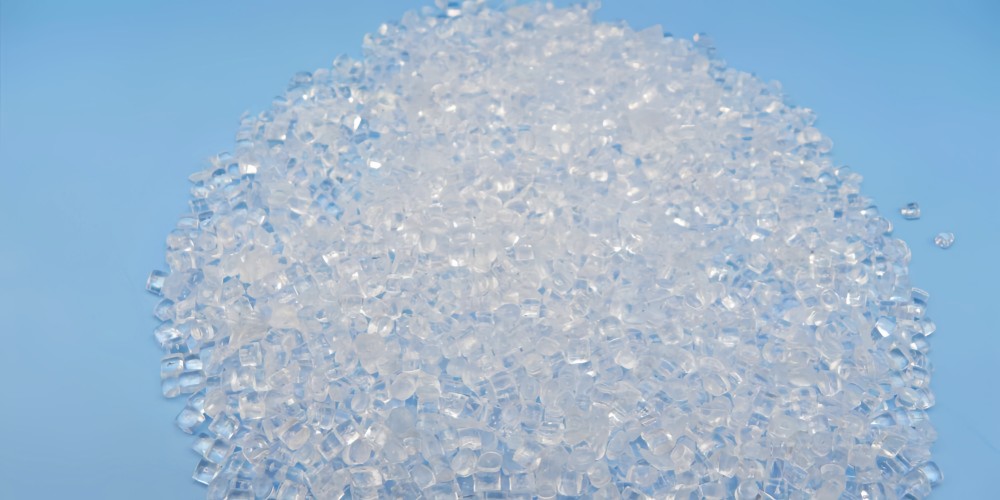
Polycarbonate is a naturally transparent, amorphous thermoplastic known for its unparalleled toughness. It is essentially the heavy-duty heavyweight champion of the plastics world. PC possesses an incredibly high impact resistance—often yielding parts that are virtually unbreakable under normal conditions (which is why it is used for bulletproof glass alternatives).
Furthermore, PC has a significantly higher heat deflection temperature than ABS, allowing it to maintain its structural integrity in harsh, high-temperature environments. It also boasts natural UV resistance, though extended outdoor exposure usually requires additional UV stabilizers. However, due to its rigid nature and high melt viscosity, PC requires specialized expertise to mold correctly. This is why engineers must rely on advanced custom PC injection services to ensure parts are manufactured without internal stresses or cosmetic flaws.
Processing Differences in the Injection Molding Process
The differences between these two materials become incredibly apparent once they enter the manufacturing floor. Processing these polymers requires entirely different setups, machinery parameters, and mold design considerations.
Molding Temperature and Injection Pressure
The ABS injection molding process is famously forgiving. ABS has excellent flow characteristics and typically melts at temperatures between 200°C and 260°C. Because it flows easily into the mold cavity, it requires moderate injection pressure, which translates to less wear and tear on the steel molds and lower overall production costs.
Conversely, mastering the PC injection molding temperature parameters is a complex task. PC has a much higher melt temperature, typically ranging between 280°C and 320°C. Because PC has a high viscosity (it is thick and flows slowly), it requires substantial injection pressure to fill the mold cavities completely. If the pressure or temperature is too low, the material will freeze before filling the mold, causing short shots. This high-pressure environment necessitates robust mold designs crafted from hardened steel, which is a core offering of our custom PC injection services.
Moisture Control and Drying Requirements
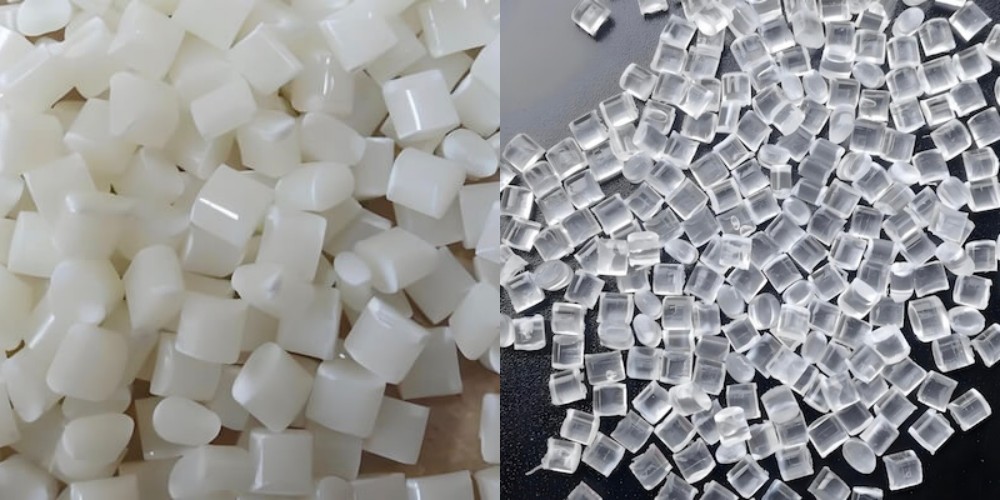
Both materials are hygroscopic, meaning they absorb moisture from the surrounding air. However, their sensitivity to moisture during the molding process differs dramatically. While the ABS injection molding process requires the raw pellets to be dried (usually for 2 to 4 hours at 80°C), PC is notoriously sensitive to even microscopic amounts of moisture. If PC is not thoroughly dried (typically 3 to 4 hours at 120°C), the moisture will turn to steam during the injection phase, causing a defect known as splay (silver streaks) and severely compromising the structural integrity of the final part.
Shrinkage Rate and Warpage Control
When discussing dimensional stability, one must consider the shrinkage rate. ABS generally exhibits a predictable shrinkage rate of 0.5% to 0.7%, making it relatively easy to maintain tight tolerances for standard ABS parts.
Understanding how to avoid warpage in PC injection molding is a common hurdle for many manufacturers. While PC also has a low shrinkage rate (around 0.5% to 0.8%), its rapid cooling nature and high processing temperatures make it highly susceptible to internal molded-in stress. If the mold temperature is not strictly controlled (usually kept very hot, between 80°C and 120°C), the PC part will warp or crack upon ejection.
Mechanical and Thermal Properties Comparison
When evaluating the advantages of PC over ABS, a direct comparison of their physical data is necessary. To help engineering teams quickly visualize the differences, we have compiled a side-by-side comparison of their standard material properties:
| Property | Polycarbonate (PC) | Acrylonitrile Butadiene Styrene (ABS) |
| Tensile Strength | High (Approx. 60 – 70 MPa) | Moderate (Approx. 40 – 50 MPa) |
| Impact Resistance | Outstanding (Virtually unbreakable) | Excellent (Tough and durable for daily use) |
| Heat Deflection Temp (HDT) | ~135°C (Ideal for high-heat environments) | ~90°C – 100°C (Standard consumer environments) |
| Optical Clarity | High (Can be molded as clear parts) | Opaque (Solid colors, takes paint well) |
| UV Resistance | Good (Naturally blocks some UV) | Poor (Prone to yellowing without additives) |
| Relative Cost | High | Low to Moderate |
As the table illustrates, PC vastly outperforms ABS in raw strength and thermal performance. A standard Izod impact test will show PC absorbing nearly double the kinetic energy of ABS before fracturing. Furthermore, the heat deflection temperature (HDT)—which dictates when a material begins to soften under stress—shows that PC can handle much harsher environments, making it indispensable for automotive under-the-hood applications and high-wattage lighting.
Despite PC’s clear advantages in raw performance, ABS is often chosen because it is lighter, slightly less prone to surface scratching, and vastly cheaper to procure and process.
Post-Processing and Surface Finishes
Once the parts are ejected from the mold, the journey isn’t always over. The way PC and ABS respond to secondary operations is a major deciding factor for many brands.
-
Electroplating and Painting: This is where ABS truly shines. ABS contains butadiene (rubber) particles that can be easily etched away by chemical processes, creating microscopic anchors for metallic plating. If your product requires a chrome-like finish (common in automotive trims or bathroom fixtures), standard ABS injection molding services combined with electroplating are your best choice. ABS also accepts paints and adhesives effortlessly.
-
Polishing and Optical Clarity: While PC can be painted, its primary aesthetic advantage is its ability to be polished to a mirror finish or molded perfectly clear. Transparent plastic injection molding materials like PC are often subjected to vapor polishing or automated buffing to achieve optical-grade clarity for lenses and light guides.
Common Applications: When to Choose Which?
Material selection is entirely dependent on the end-use environment of your product.
When to Use ABS:
Because of its superior aesthetic finish, affordability, and ease of plating, standard ABS parts are ubiquitous. Common applications include:
- Consumer appliance housings (vacuums, blenders)
- Automotive interior trim panels and dashboard components
- Computer keyboards and office equipment
- Toys (like Lego bricks) and protective headgear
When to Use PC:
PC is reserved for applications where failure is not an option, transparency is required, or high heat is present. You will need reliable custom PC injection services for:
- Medical device housings and surgical instruments that require sterilization
- Automotive headlamp lenses and protective eyewear
- Bullet-resistant enclosures and security screens
Which plastic is better for electronic enclosures PC or ABS?
The answer is often found in a compromise. If the enclosure must survive outdoor drops and extreme heat, PC is better. If it is an indoor consumer router, ABS is sufficient and more cost-effective. However, many engineers opt for PC/ABS blend injection molding. By alloying these two polymers, you get the high-temperature resistance and toughness of PC combined with the excellent flow rate, processability, and lower cost of ABS.
Real-World Application and Alternatives
At Rally Plastic, we frequently guide clients through these critical material choices. For instance, consider the development of a heart rate monitor for hospital use. The client originally sought cheap ABS injection molding alternatives because their initial budget was tight. However, hospital environments require frequent sterilization with harsh chemicals, and the devices are frequently dropped by busy staff.
Through our consultation, we realized standard ABS would quickly degrade. We transitioned the client to our specialized custom PC injection services for medical device housings. While the initial material cost was higher, the PC enclosures survived rigorous chemical wipe-downs and drop tests, ultimately saving the client millions in potential recall and replacement costs.
Conversely, for a client needing internal structural brackets for a smart-home speaker, we utilized our high-precision ABS injection molding services. By focusing on stringent tolerance ABS parts manufacturing, we delivered millions of flawless components at a fraction of the cost of engineering-grade resins, maximizing their profit margins.
Why Partner With Rally Plastic for Your Manufacturing?
Navigating the complexities of thermoplastic polymers requires a reliable plastic injection molding company like Rally Plastic with decades of hands-on expertise. Whether you are scaling up production for a commercial product or require highly specialized engineering components, our team is equipped to deliver.
We offer comprehensive manufacturing solutions, including rapid tooling for ABS and PC, ensuring your time-to-market is drastically reduced without compromising on quality. We don’t just inject plastic into a mold; we analyze your specific use case to ensure you are utilizing the absolute best material for your budget.
If you are ready to move from prototyping to mass production, please contact our engineering team to discuss how our ABS injection molding services and precision-driven custom PC injection services can bring your next innovative project to life.