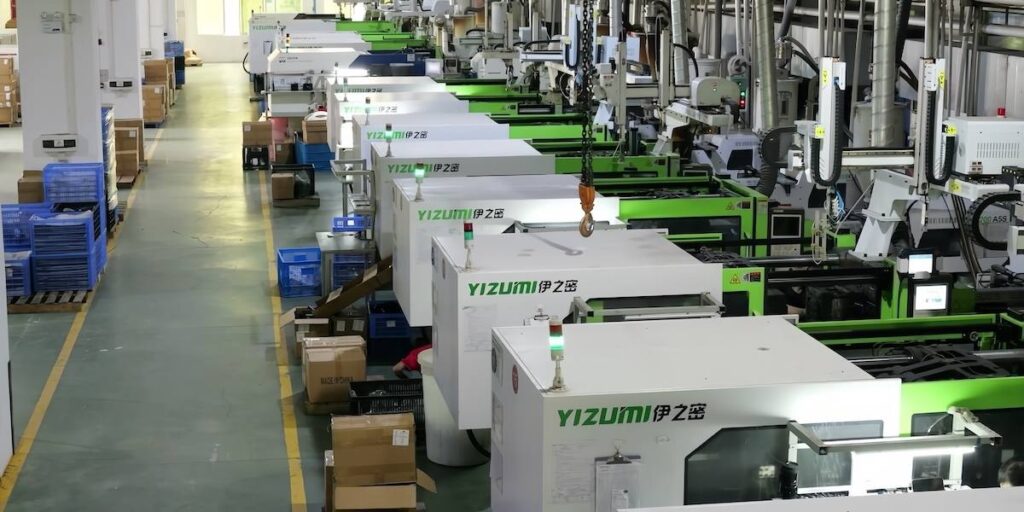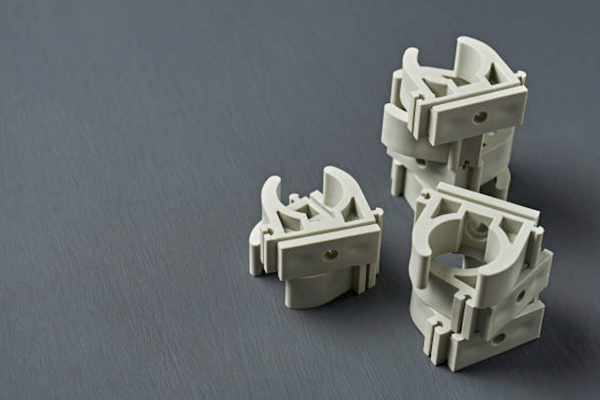
Plastic injection molding is crucial in manufacturing, but many businesses struggle to understand the intricacies of the process, leading to delays or defective products. Without a solid understanding of the process, choosing the wrong materials or design can increase costs and reduce efficiency. This guide breaks down the plastic injection molding process from start to finish, providing you with the knowledge to avoid common pitfalls and make informed decisions.
Plastic injection molding is a manufacturing process where melted plastic is injected into a mold to create parts. The process involves several key steps, from material selection to cooling, and is widely used for producing high-volume plastic components. By understanding these steps and the benefits of injection molding, companies can optimize production efficiency and product quality.
What is Plastic Injection Molding?
Plastic injection molding is a manufacturing process where melted plastic is injected into a mold cavity under high pressure to form complex parts with precise shapes and intricate details. The process is commonly used for producing high-volume plastic components. It is widely used across various industries like automotive, consumer goods, and medical devices to create parts such as dashboards, packaging, and syringes. This process offers precision, cost-effectiveness, and efficiency, making it ideal for mass production of high-quality plastic parts. It ensures consistency across large batches and can create highly detailed components at a relatively low cost.
Key Steps in the Plastic Injection Molding Process
The plastic injection molding process involves several critical steps to produce high-quality plastic parts. Each step must be carefully controlled to ensure that the final product meets both functional and aesthetic requirements.
Step 1 – Material Selection
Selecting the right plastic material is crucial for ensuring the product’s durability, functionality, and cost-effectiveness. The choice of material impacts how the part performs in the real world and how efficiently it can be manufactured.
Common materials used in injection molding include ABS, polycarbonate, nylon, and polyethylene. Each material offers different advantages in terms of strength, flexibility, and resistance to environmental factors.
Material choice affects mold design, cycle time, and final part quality.
Step 2 – Mold Design and Tooling
Mold design is essential to achieving part precision and consistency. The design must account for part complexity, mold flow, and how to achieve efficient production.
Key considerations in mold design include the complexity of the part, draft angles, gate design, and the ejection system. These factors ensure that the part is molded correctly and can be ejected from the mold without damage.
A high-quality mold ensures accurate part replication.
Step 3 – Injection
In this step, melted plastic is injected under high pressure into the mold cavity. The plastic fills the mold quickly, taking the shape of the cavity and forming the desired part. The injection process must be carefully controlled to ensure that the material flows evenly and reaches all areas of the mold.
The injection speed and pressure must be optimized to avoid defects such as air pockets, incomplete filling, or excessive flash. Proper injection parameters ensure that the part is formed with the right consistency, strength, and surface quality, while minimizing waste and defects in production.
Step 4 – Cooling
After injection, the mold is cooled to solidify the plastic. Cooling time can vary significantly based on the part size and material type used. Larger parts or those made from materials with slower cooling rates may require more time to cool completely.
Cooling must be controlled to avoid warping or dimensional inaccuracies that could affect the part’s functionality and aesthetic appearance. Properly controlled cooling ensures that the part maintains the intended shape and precision without warping or shrinkage.
Step 5 – Ejection and Quality Control
Once cooled, the mold is opened, and the part is ejected from the mold cavity. At this point, the part is still relatively soft and may require further processing before use. Quality control checks are performed immediately to ensure the part meets specifications for dimensions, strength, and appearance.
Bold: Post-processing may include trimming or surface finishing to remove excess material, smooth rough edges, or improve the part’s surface quality. This step is crucial to ensure that the final product meets all performance and aesthetic requirements.
Benefits of Plastic Injection Molding
Plastic injection molding offers numerous advantages that make it ideal for high-volume manufacturing.
Precision and Consistency: This process achieves tight tolerances and high repeatability, ensuring that each part is identical to the next.
Cost-Effectiveness: Injection molding is particularly cost-effective for mass production, as it lowers per-unit costs by producing large quantities in a short amount of time.
Versatility: The process can produce complex parts with intricate details and textures, making it suitable for a wide range of industries and applications.
Speed: Once tooling is completed, production cycles are fast, allowing for quick turnaround times.
Common Applications of Injection Molding
Injection molding is widely used across various industries due to its ability to produce high-precision parts in large volumes. Common applications include automotive parts such as dashboards and connectors, consumer goods like toys and packaging, and medical devices such as syringes and surgical tools. The versatility of injection molding allows it to meet the demands for both complex designs and large-scale production.
Injection molding is essential in high-demand industries that require precision and durability.
| Industry | Applications |
|---|---|
| Automotive | Dashboard components, air vents, connectors |
| Consumer Goods | Toys, packaging, kitchenware |
| Medical Devices | Syringes, diagnostic equipment, surgical tools |
How to Choose the Right Injection Molding Partner
When choosing a plastic injection molding partner, experience is key. Look for a partner with a proven track record in the industry, someone who understands the complexities of the molding process and has a history of delivering high-quality parts. Their expertise will ensure your project runs smoothly from start to finish.
In addition to experience, technology plays a crucial role in the success of your project. Ensure that your partner has access to the latest machines and tools for precision. Modern, advanced equipment can significantly improve production efficiency, reduce errors, and maintain consistency across large runs.
Equally important is quality control. A reliable injection molding partner will have stringent quality assurance processes in place, ensuring that each part meets your exact specifications. Lead time is another factor to consider. Choose a partner who has a strong reputation for meeting deadlines, as delays can result in costly setbacks.
RALLY Plastic offers all these capabilities to ensure your project’s success, providing expertise, cutting-edge technology, rigorous quality control, and reliable lead times to meet your needs.
Conclusion
In conclusion, plastic injection molding is a powerful manufacturing process that offers precision, cost-effectiveness, and versatility. By understanding the key steps and benefits, you can make informed decisions to optimize your production process. Choosing the right partner is essential to ensuring your project’s success, whether it’s for custom parts or large-volume production.
If you’re ready to bring your design to life, RALLY Plastic is here to help. We offer expert injection molding services, cutting-edge technology, and reliable lead times to meet your needs.
Upload your drawings or contact RALLY Plastic today to get started on your custom plastic parts.