Sourcing small plastic parts may sound simple, but it often turns into a frustrating task. Generic suppliers may lack precision, custom options, or timely delivery. For product developers and buyers, this can lead to delays, rework, or performance issues. Fortunately, finding the right supplier with both standard and custom plastic parts capabilities can eliminate these risks.
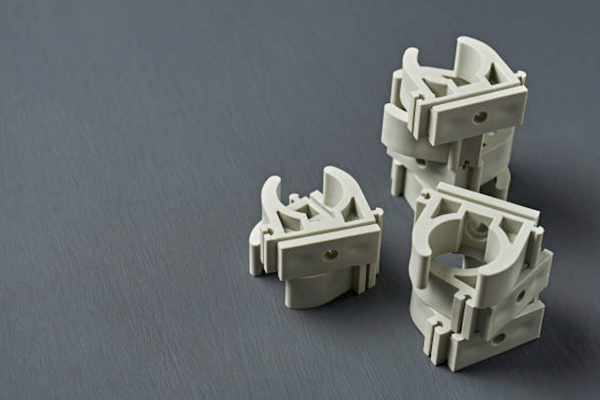
Small plastic parts are miniature components made through processes like injection molding, CNC machining, or 3D printing. These parts are widely used in electronics, automotive, medical, and industrial applications. Businesses can source them from off-the-shelf catalogs or work with a custom plastic parts manufacturer for tailored solutions. The key is selecting a partner who offers engineering support, fast prototyping, and volume production.
Why Small Plastic Parts Are Essential in Modern Products
Small plastic components are miniature yet vital elements used across nearly every modern industry. These parts typically measure under 100 mm and are designed to fit precisely into compact assemblies. While small in size, they perform critical functions such as fastening, sealing, guiding, insulating, or protecting other parts.
In electronics, they serve as connector housings, cable clips, button caps, and LED lenses. In the automotive sector, they include fasteners, mounting brackets, and sensor covers. Home appliances depend on them for internal mounts, sliding mechanisms, and user interface elements. In medical devices, they enable precision control in devices like inhalers, test kits, and diagnostic tools.
As devices become smaller and more complex, the demand for precision plastic parts continues to grow. These parts must maintain dimensional stability, mechanical strength, and surface integrity under challenging conditions. Even a tiny misalignment can lead to component failure or assembly errors.
Manufacturers must use advanced molding, tooling, and inspection techniques to ensure consistency at micro scales. The accuracy of small parts has a direct impact on the safety, efficiency, and longevity of the final product. That’s why precision, not just size, defines the value of small plastic parts in modern applications.
Who Needs Small Plastic Parts?
Small plastic parts power today’s compact, connected, and cost-sensitive products. Because of that, they attract a wide mix of buyers across industries.
Engineers need precision components for assemblies where millimeters matter. They source clips, spacers, and connector housings that must align with PCB layouts. OEMs rely on repeatable production for assemblies that scale into the thousands. Many require documented quality and multi-site delivery support.
Hardware startups move fast. They use rapid tooling and bridge production to validate designs before committing to full tooling. Small batches of micro gears, latches, or enclosure details help them iterate quickly. Meanwhile, e-commerce sellers and aftermarket brands often purchase replacement plastic clips, knobs, or mounting tabs to support repair channels.
Use cases vary, yet a few dominate: rapid prototyping, part replacement, and low-volume production for niche devices. Short development cycles demand suppliers who respond quickly and ship globally.
Because these parts interface with electronics, moving assemblies, or user controls, accuracy matters. Choosing a capable manufacturer early reduces redesigns and unit failures later. Even small parts can become big supply problems if tolerances drift or materials fail.
Where to Source Small Plastic Parts: Standard vs. Custom
When it comes to sourcing small plastic parts, businesses typically face two options: purchasing from standard catalog suppliers or partnering with a plastic part supplier for custom manufacturing. Each approach offers distinct benefits depending on the project scope, timeline, and functional requirements.
Standard Catalog Parts
Standard parts are readily available through industrial distributors and online platforms. These include common components like spacers, bushings, clips, and protective caps.
Pros:
-
Fast lead times with in-stock availability
-
Low cost, especially for prototyping or basic applications
-
No tooling required, ideal for quick testing or replacements
Cons:
-
Limited design options may not suit unique assemblies
-
No branding or customization for materials, colors, or logos
-
Often unsuitable for applications requiring tight tolerances or IP protection
Standard parts work best when the part function is simple, generic, or already validated.
Custom Manufacturing
If your part must fit precisely, perform a unique function, or reflect your brand, custom small plastic parts are the better choice. A skilled plastic part supplier can design and produce components that meet your exact technical and visual needs.
Pros:
-
Tailored geometry and mounting features
-
Material flexibility to meet mechanical, thermal, or regulatory needs
-
Optimized performance and consistent fit within your final product
When to choose custom:
-
You require IP protection or patented design features
-
Your assembly demands tight tolerances or special mating angles
-
The part involves complex geometries or surface finishes
-
You aim to achieve brand consistency through specific colors or textures
Custom manufacturing ensures the part doesn’t just fit—but performs and lasts. While lead time and tooling investment may be higher, the long-term value in quality and functionality often outweighs the upfront cost.
Custom Manufacturing Options for Small Plastic Parts
When off-the-shelf components don’t meet specific needs, custom manufacturing becomes essential for producing small plastic parts with the required form, fit, and function. Depending on project volume, complexity, and development stage, manufacturers can choose from several production methods.
Injection Molding
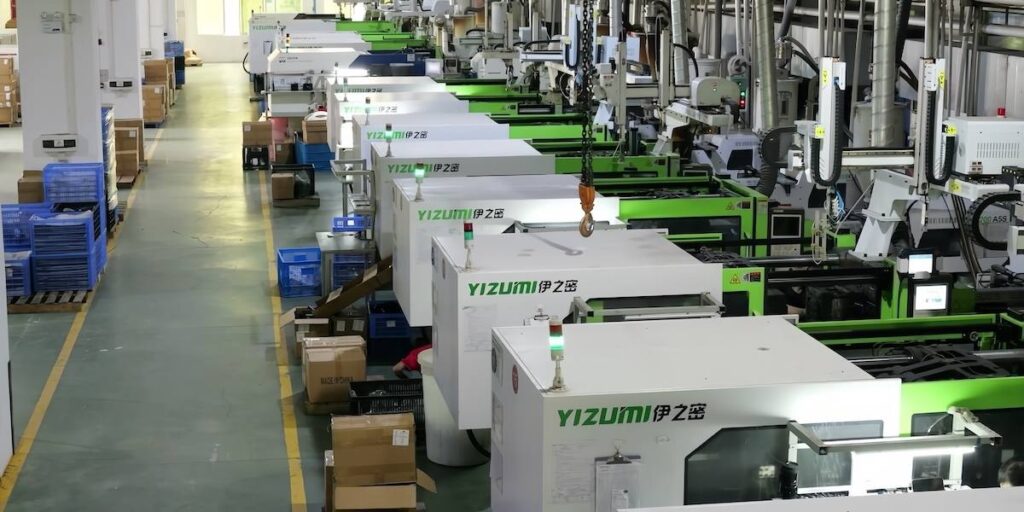
Plastic injection molding is the most common process for high-volume production of small plastic components. It provides exceptional repeatability, tight tolerances, and fast cycle times once the tooling is complete.
Popular materials include ABS, PP, PC, PA6, and TPE, offering a balance of mechanical, thermal, and chemical properties. These materials can be modified with additives for flame retardancy, UV resistance, or improved stiffness.
While injection molding requires upfront investment in tooling, it delivers the lowest per-unit cost for mass production. It’s ideal for automotive clips, electronics housings, medical consumables, and more.
CNC Machining & 3D Printing
For prototypes or low-volume production, CNC machining and 3D printing are excellent alternatives. These methods allow fast iterations, tight dimensional control, and no tooling cost.
CNC machining is suitable for rigid engineering plastics such as POM or Nylon. 3D printing excels at complex shapes or internal channels that would be difficult or impossible to mold.
Together, these technologies support the rapid development of precision plastic parts—especially during the design and validation phases. By selecting the right process, you can reduce risk, shorten timelines, and improve overall product performance.
Key Considerations When Choosing a Supplier
Finding the right plastic parts manufacturer is critical for ensuring quality, reliability, and smooth project execution. Whether you’re sourcing small plastic parts for prototyping or full-scale production, evaluate your supplier based on the following key factors.
MOQ and Lead Time
A flexible small plastic parts supplier should accommodate different order volumes, from small prototype runs to large production batches. Clarify the minimum order quantity (MOQ) early in the conversation to avoid misalignment.
Ask about rapid tooling options and sampling lead time. Suppliers who offer quick turnaround help you shorten development cycles and get to market faster.
Quality Control Systems
Strong quality systems ensure consistency across production runs. Look for manufacturers with ISO 9001 certification, which signals process discipline and documentation.
Request first-article inspection (FAI) reports, CMM or dimensional checks, and batch traceability. These tools minimize defects and give you confidence in long-term supply.
Engineering Support
Beyond production, the best suppliers offer DFM reviews, tolerance optimization, and material suggestions. Their engineering team should help reduce costs and improve part performance before tooling begins.
Early collaboration ensures your design is not only manufacturable but also optimized for scale.
Export Experience
If you’re an international buyer, choose a plastic parts manufacturer experienced in global trade. A supplier familiar with US/EU standards, export documentation, and customs procedures will reduce delays and avoid compliance issues.
They should provide clear packing lists, COs, and technical files upon request. Smooth logistics save time and protect your bottom line.
Why Choose RALLY Plastic for Small Plastic Parts?
When it comes to small plastic components, precision and consistency matter. With over 15 years of experience in precision injection molding, RALLY Plastic has become a trusted partner for companies around the world seeking high-quality, small-scale plastic parts.
We specialize in delivering complex, tight-tolerance components across a wide range of industries—from electronics and automotive to consumer products and medical devices. As a seasoned custom plastic parts manufacturer, we understand that even the smallest parts require close attention to design, tooling, and material selection.
Our engineering team offers strong DFM (Design for Manufacturability) support and rapid prototyping services, helping clients validate their designs quickly and reduce time to market. With in-house mold making, we maintain full control over quality and lead times, while offering flexible MOQs to support both small runs and scale-up production.
Communication is smooth and efficient thanks to our multilingual team, which serves customers across the US, Europe, and Asia. Whether you need 100 units or 100,000, RALLY Plastic delivers reliable, cost-effective solutions tailored to your project’s needs.
Choose RALLY Plastic as your manufacturing partner, and gain a team committed to delivering precision, speed, and trust at every stage.
Conclusion
Small plastic parts play a big role in modern products—enabling precision, reducing weight, and enhancing performance in compact assemblies. Whether you’re sourcing standard components or developing complex, custom solutions, choosing the right plastic parts manufacturer makes all the difference.
At RALLY Plastic, we combine engineering insight, advanced tooling, and over 15 years of experience in custom plastic parts manufacturing. From prototyping to full-scale production, we offer complete support tailored to your design, timeline, and budget.
No matter your industry or application, we’re here to help you bring your product to life—accurately, efficiently, and globally.
👉 Upload your drawings or contact us today to discuss your project. Let RALLY Plastic be your trusted partner for high-precision, small plastic parts manufacturing.