Are you struggling with finding the right mounting brackets for your precision applications?
Mounting brackets must meet strict tolerances and performance standards. Unfortunately, many manufacturers fail to deliver the level of precision and durability required, leading to potential failures and higher costs in the long run.
Injection molding is the ideal method for producing high-precision plastic mounting brackets that fulfill these strict requirements. It ensures consistent quality, fast production cycles, and can handle complex designs with accuracy.
Injection molding is a reliable and cost-effective solution for producing plastic mounting brackets that meet your precision, strength, and durability needs. This process ensures high consistency in quality, reduces production times, and allows for the customization of designs to suit your specific requirements.
What Are Plastic Mounting Brackets?
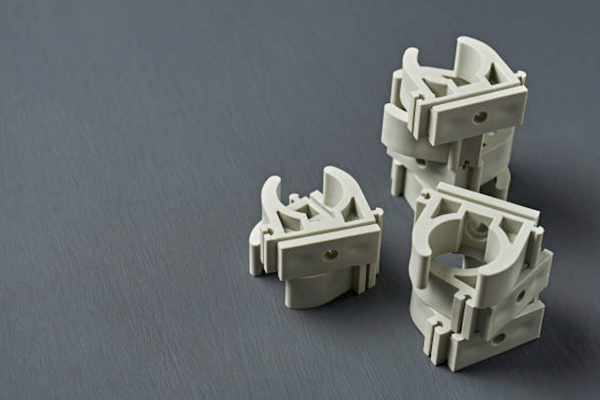
Plastic mounting brackets are structural components used to secure or support various parts and equipment in place. Made from durable plastic materials, these brackets provide a reliable, lightweight, and cost-effective solution for mounting different items. They are designed to hold components securely while allowing for easy installation and removal.
These brackets play a critical role in a variety of industries, such as automotive, electronics, and machinery. In the automotive sector, they are used to secure internal components like dashboard elements and engine parts. In electronics, plastic mounting brackets hold delicate circuit boards or components in place, ensuring stability and protection. Similarly, in machinery, they support heavy-duty components, ensuring proper alignment and functioning.
Benefits of Using Injection Molding for Plastic Mounting Brackets
Durability & Strength: Injection molding produces plastic mounting brackets with exceptional durability and strength. The high pressure used during the molding process ensures that the plastic material is tightly compacted, resulting in robust parts capable of withstanding heavy loads and harsh environments. This makes injection-molded brackets ideal for applications where strength and reliability are critical.
Precision & Accuracy: One of the main advantages of injection molding is its ability to achieve high tolerances and consistent dimensions. The precision of the molds allows for the creation of parts that meet tight specifications, ensuring a perfect fit for your mounting needs. This level of accuracy reduces the risk of misalignment or failure during installation and use.
Cost-Effectiveness: Injection molding is highly cost-effective, especially for high-volume production runs. Once the mold is created, the per-unit cost decreases significantly with each additional part produced. This makes injection molding an ideal solution for large-scale manufacturing, offering a low-cost production process while maintaining high quality.
Customization: Injection molding offers flexibility in design, material selection, and surface finishes. Manufacturers can customize mounting brackets to meet specific application requirements, whether that involves choosing a certain type of plastic for added strength or applying a particular finish for aesthetics or durability. This customization capability ensures that injection-molded brackets can be tailored to various industry needs.
Materials Used for Plastic Mounting Brackets in Injection Molding
Common Materials: When it comes to injection molding plastic mounting brackets, several materials are commonly used due to their specific properties that meet industry needs. ABS (Acrylonitrile Butadiene Styrene) is widely favored for its excellent impact resistance and strength. It is lightweight, durable, and offers good thermal stability, making it ideal for automotive and electronic applications. Polycarbonate (PC) is another popular material known for its superior strength, transparency, and heat resistance. It is often used for brackets that require high impact resistance and can withstand high temperatures, such as in the automotive and electronics industries. Nylon (PA6/PA66), particularly in glass-filled grades, is known for its toughness, low friction, and wear resistance. It is commonly used in industrial applications where high mechanical strength is required, such as machinery and automotive parts.
Material Selection Factors: Choosing the right material for plastic mounting brackets depends on several factors, including strength, durability, and application requirements. For example, ABS is ideal for general-purpose use where impact resistance is needed, but if the bracket needs to withstand high temperatures, polycarbonate might be a better choice. Nylon offers excellent mechanical properties for applications involving heavy-duty loads, but it can be more expensive compared to ABS. Factors like exposure to chemicals, environmental conditions, and weight requirements also influence material selection. By understanding the specific demands of the application, manufacturers can select the best material to ensure the plastic mounting bracket performs optimally.
The Injection Molding Process for Plastic Mounting Brackets
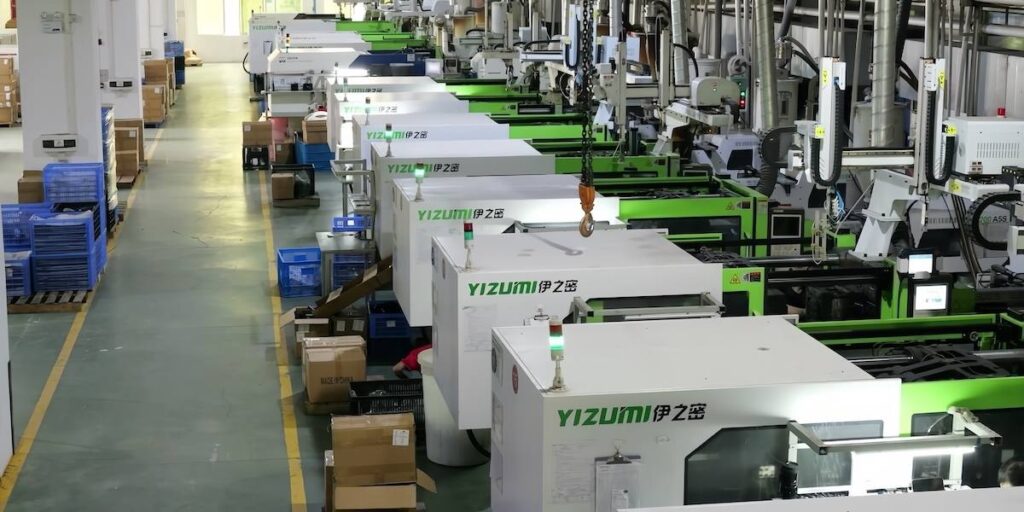
Step-by-Step Process: The injection molding process begins with mold creation, where a precision mold is designed based on the mounting bracket’s specifications. The mold is usually made from durable metal to withstand the high pressures and temperatures involved. Once the mold is ready, plastic pellets are fed into an injection molding machine. The pellets are heated until they melt, then injected into the mold cavity under high pressure. As the molten plastic cools and solidifies, it takes the shape of the mounting bracket. After cooling, the mold opens, and the finished part is ejected.
Why Precision Matters: Precision is critical in the injection molding process because plastic mounting brackets must meet exacting standards for fit, strength, and durability. The high precision of injection molding ensures that the brackets are produced with consistent dimensions and tight tolerances. Small variations in size or alignment can lead to functional issues, such as poor fitment or structural weakness, which can affect the performance of the final assembly.
Quality Control: Quality control is a crucial part of the injection molding process to guarantee that each bracket meets strict standards. After production, dimensional inspections are conducted using tools like CMM (coordinate measuring machines) to verify that the bracket’s measurements are accurate. Additionally, mechanical testing such as tensile strength, impact resistance, and fatigue tests are performed to ensure that the brackets can withstand the expected loads. Any defective parts are removed to maintain high standards and consistency across production runs.
How to Choose the Right Injection Molding Partner
Experience & Expertise: When selecting an injection molding partner, it’s essential to evaluate their experience in manufacturing precision parts. Look for a company with a proven track record of producing high-quality, precise components. Experience in your specific industry (e.g., automotive, electronics) can also ensure the partner understands your unique requirements and standards.
Technology & Equipment: The use of high-precision equipment, such as 5-axis CNC machines, is crucial for ensuring the accuracy and consistency of molds. Advanced equipment allows for complex mold designs and tight tolerances, ensuring that the mounting brackets are produced to exact specifications. A partner with state-of-the-art technology will provide the reliability and precision your project demands.
Lead Time & Cost-Effectiveness: It’s important to assess the balance between quality and budget. While cost is a significant factor, the cheapest option may not always be the best for precision parts. Evaluate the partner’s ability to deliver products on time without compromising quality. At RALLY Plastic, we combine cost-effective solutions with high precision to meet your needs while maintaining short lead times and competitive prices.
Common Challenges in Plastic Mounting Bracket Manufacturing
Material Shrinkage: During the cooling process of injection molding, plastic materials experience shrinkage, which can affect the final dimensions of mounting brackets. This shrinkage can cause parts to become slightly smaller than intended, potentially leading to issues with fit and function. To manage shrinkage, manufacturers carefully design molds with compensation for material contraction and control the cooling rate to minimize dimensional changes.
Warping & Deformation: Warping occurs when the plastic part cools unevenly, causing it to bend or distort. This is often due to variations in wall thickness or uneven cooling rates. To prevent warping, manufacturers ensure uniform wall thickness and use cooling channels strategically to cool the part evenly. Additionally, optimizing molding parameters, such as injection pressure and temperature, helps reduce the risk of deformation.
Surface Imperfections: Common molding defects like sink marks and flow lines can affect the surface appearance and functionality of plastic mounting brackets. Sink marks occur when the material shrinks during cooling, creating depressions on the surface. Flow lines appear when the molten plastic flows unevenly into the mold. To prevent these, manufacturers adjust the injection speed, pressure, and mold design, ensuring even material distribution and minimizing defects.
Conclusion
Injection molding offers numerous advantages for producing plastic mounting brackets, including durability, precision, cost-effectiveness, and customization. The ability to achieve tight tolerances ensures high-quality, reliable parts, while the flexibility of design and material selection allows for tailored solutions to meet specific needs. Whether for automotive, electronics, or machinery applications, injection molding provides an efficient and effective manufacturing process.
If you’re looking for high-precision plastic mounting brackets that meet your exact specifications, upload your drawings or contact RALLY Plastic today. Our expert team is ready to help you customize your parts and deliver the quality you need, on time and within budget. Let us help you bring your project to life!