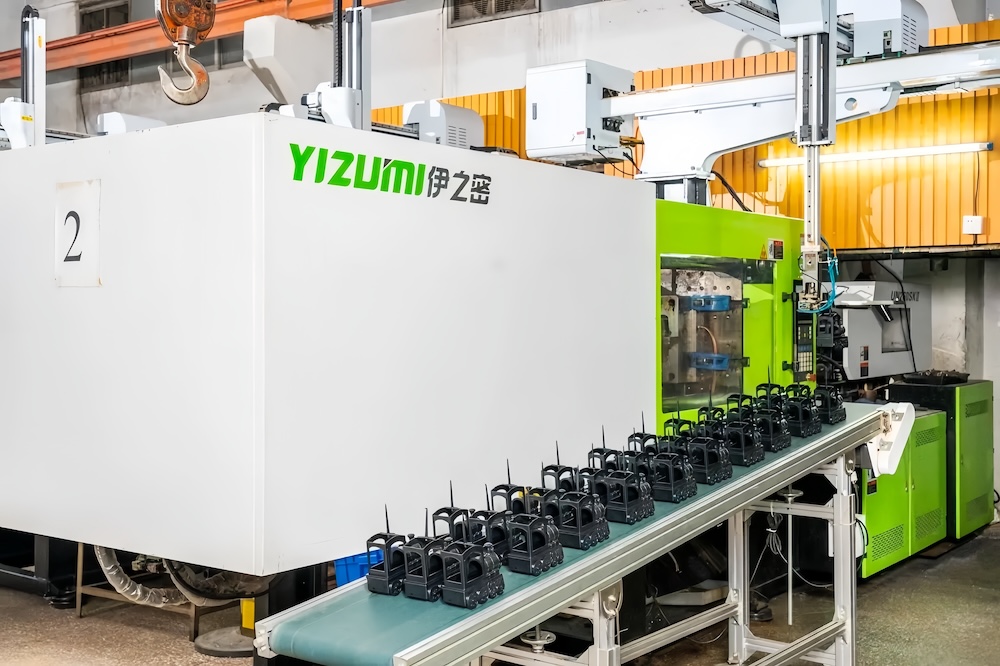
Electronic Enclosures
- Network router cases
- Industrial IoT gateways
- Desktop power supply bricks

Rally Plastic offers OEM injection molding services for plastic parts with fast turnaround, tight tolerances, and support for stable quality mass production.
Request A Quote
We specialize in custom plastic parts, plastic enclosures, and plastic injection molded components
More About Us
Rally Plastic is a China-based injection molding manufacturer. When your engineering team partners with Rally Plastic, you can get the aggressive unit-cost economics of offshore manufacturing—with zero anxiety regarding engineering clarity, IP security.
Explore our custom injection molded components with the clean gate vestiges, absence of flash or sink marks, and uniform surface finishes across diverse geometries.
More Plastic Parts
Scale seamlessly from rapid prototypes to multi-cavity mass production, executing every stage with strict tolerances and consistent engineering precision under one roof.
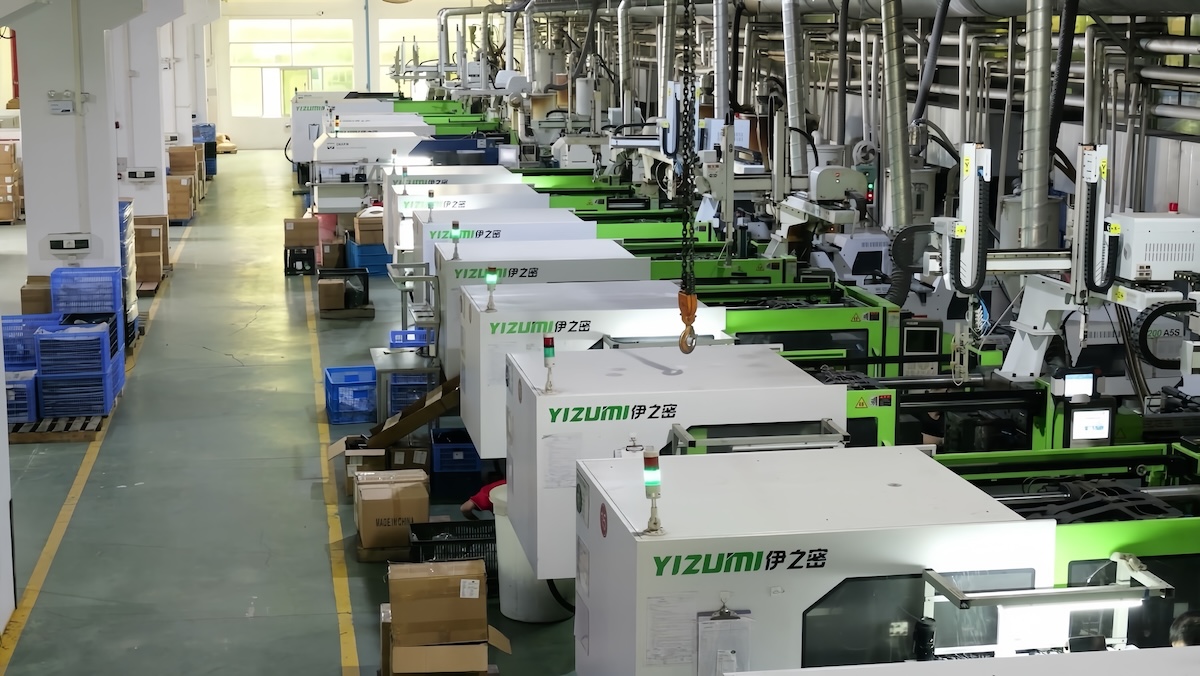
Validate complex geometries and functional designs using rapid aluminum or soft steel tooling.
Bridge the gap between prototyping and mass production. Reduce upfront capital expenditures while maintaining strict tolerances and true production-grade resin properties.
Multi-cavity injection molding with automated robotic take-out systems guarantee minimal cycle times, absolute repeatability, and unit-cost reductions.
From micro-electronic connectors to massive 4 kg structural housings, our presses deliver consistent clamp force and flawless part filling.
Rally Plastic offers precision housings and protective enclosures engineered for electromagnetic interference (EMI) resistance, heat dissipation, and flawless SPI surface aesthetics.

Our highly regulated, mission-critical components built to endure extreme temperatures, mechanical stress, chemical exposure, and strict sterilization protocols.
High-volume, cost-effective manufacturing focused on superior cosmetic finishes, complex multi-cavity efficiency, and integrated secondary branding.
The table below details the production-grade plastics processed by Rally Plastic. Choose the right injection molding material based on your application requirements— or consult our tooling engineers for custom resin recommendations.
| Material | Surface Finish Options | Custom Applications |
|---|---|---|
| ABS | Glossy, Textured, Electroplating, etc. | Electronic housings, consumer appliance covers, handheld instruments. |
| PP | Matte, Textured, Semi-Gloss, etc. | Automotive interior trim, food-grade containers, medical device clips. |
| PC | Optical Polish, Matte, UV Coating, etc. | Transparent displays, protective lenses, heavy-duty structural equipment enclosures. |
| PA / Nylon | Textured, Matte, As-Molded, etc. | Gears, bushings, automotive structural brackets, industrial tool housings. |
| PMMA | Optical Polish, Semi-Gloss, Anti-Scratch, etc. | Light pipes, transparent indicator panels, optical lenses, display screens. |
| POM | As-Molded, Matte, Textured, etc. | Precision gears, sliding mechanisms, mechanical fasteners, structural bearings. |
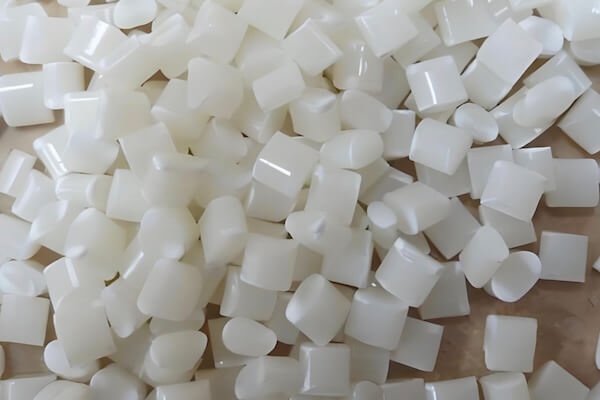
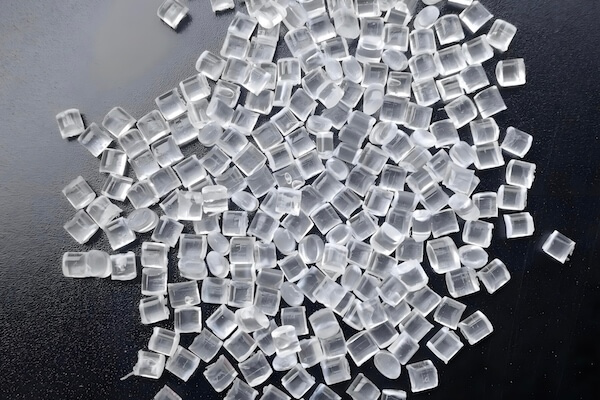
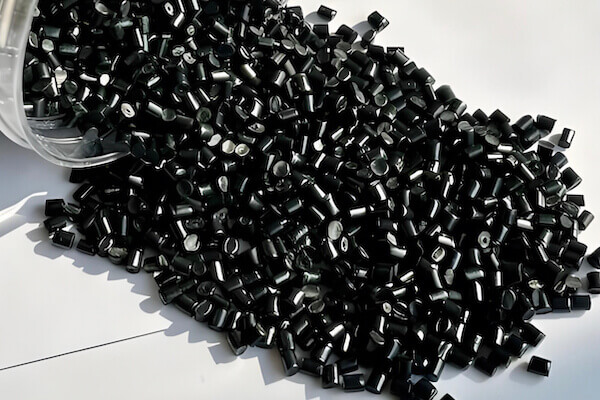
ABS Resin
Engineering PC
Nylon Material
| Material | Surface Finish Options | Custom Applications |
|---|---|---|
| PC/ABS Blend | Glossy, Electroplating, Textured, etc. | Heavy-duty dashboard enclosures, rugged electronic handhelds. |
| PE / HDPE / LDPE | Matte, Textured, As-Molded, etc. | Chemical-resistant fluid tanks, industrial packaging caps, durable agricultural components. |
| PS / HIPS | Glossy, Matte, Painting, etc. | Display trays, diagnostic test kit housings, electronic packaging inserts. |
| PEEK | As-Molded, Matte, Semi-Gloss, etc. | Aerospace valve components, sterilizable surgical instruments, semiconductor wafer carriers. |
| PEI / Ultem | Glossy, Matte, As-Molded, etc. | Medical sterilization trays, high-voltage electrical insulators, aircraft structural brackets. |
| PPS | Textured, Matte, As-Molded, etc. | Automotive fuel system components, thermal sensors, chemical pump housings. |
With a robust lineup of over 50 injection molding machines, Rally Plastic offers flexible production capacity from intricate micro-components to large structural plastic parts.
Our in-house tooling workshop is equipped with high-speed CNC machining centers capable of cutting high-hardness steel with exceptional surface finishes.
Operating under ISO 9001:2015 certified protocols, your custom injection molded parts undergo comprehensive inspection stages to ensure absolute conformance to your 2D drawings and 3D CAD models.
Before mass production begins, we provide complete FAI dimensional reports generated by CMM and optical inspection systems.
Automated inspection systems and scheduled QC checks monitor dimensions, shot weights, and cosmetic quality during production.
Every production lot is tracked with barcode traceability, material records, machine data, and complete quality documentation.

Standardized Quality Management

Eco-Friendly & Safe Polymers

Verified China Factory

Your IP & CAD Drawings are Safe

Certified Engineering Plastics
Upload your 2D/3D files for a fast, competitive quote. Turn your designs into reality.
From medium-sized components to large industrial parts, Rally Plastic provides injection molding solutions with flexible machine capacities and precise dimensional control.
| Machine Clamping Force (Tonnage) | Typical Max Shot Weight | Recommended Max Part Dimensions | Typical Industry Applications |
|---|---|---|---|
| 100 T – 200 T Small-Sized Molding | 30 g – 100 g | Approx. 200mm × 200mm Or elongated shapes 150mm × 250mm | Small Consumer Electronics & Precision Parts: Plastic earbud cases, smartwatch housings, electronic connectors, cosmetic compacts, small internal gears/brackets |
| 200 T – 300 T Medium-Sized Molding | 150 g – 500 g | Approx. 350mm × 350mm Moderate draw depth | Medium Home Appliances & Electronics: Network router housings, laptop bottom chassis, printer paper trays, automotive audio bezels, handheld power tool bodies. |
| 350 T – 550 T Medium-to-Large Molding | 600 g – 1.8 kg | Approx. 550mm × 550mm Or elongated shapes 700mm × 300mm | Small Home Appliances & Automotive Interiors: Microwave / rice cooker enclosures, automotive dashboard center consoles, handheld vacuum cleaner housings, lawnmower shroud sections. |
| 600 T – 800 T Large-Sized Molding | 2.0 kg – 3.5 kg | Approx. 750mm × 750mm Or elongated shapes 900mm × 400mm | Large Automotive & Industrial Parts: Automotive door trim panels, logistics transport boxes, office chair backrest and seat base frames, baby stroller structural frames. |
Simply upload your CAD files to receive a free DFM report and moldflow analysis.
Before any steel is cut or resin is melted, your 3D CAD models undergo a rigorous, free DFM engineering analysis by our senior tooling team.
01
Rally Plastic simulate how molten resin flows before cutting steel. Strategic gate positioning prevents air traps, weld lines, and warpage.
02
We optimize surface tapers so your parts eject smoothly without drag marks, scratches, or pin push-through during demolding.
03
Balanced wall thickness prevents warping, shrinkage, sink marks, voids, and short shot risks during injection molding.
04
We optimize structural ratios to increase strength while keeping your exterior surfaces flat and visually flawless.
Find answers about tooling ownership, production capabilities, materials, lead times, and our injection molding process.
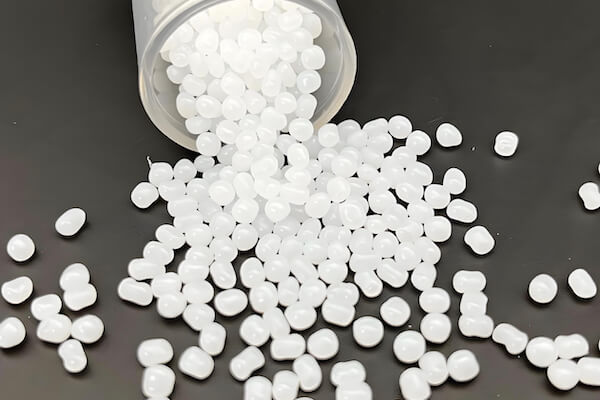
The machine operates via a precisely synchronized thermo-mechanical cycle driven by a reciprocating screw. Solid polymer pellets melt inside a heated barrel through conduction and mechanical shear friction. The screw advances hydraulically or via electric servos, injecting the viscous molten resin under extreme pressure (up to 20,000 PSI) into a clamped, temperature-controlled mold cavity. After volumetric holding pressure compensates for natural material shrinkage, the component cures into its final rigid geometry before robotic ejection occurs.
Plasticizing is the foundational thermodynamic process of converting solid thermoplastic pellets into a homogenous, melt-flowable fluid inside the barrel. As the reciprocating screw rotates within its transition zone, it applies mechanical shear energy and conductive barrel heat to break down intermolecular polymer bonds. Proper plasticization demands precise screw geometry—such as an optimized length-to-diameter (L/D) ratio and compression ratio—to ensure uniform melt temperature, eliminate un-melted resin particulates, and prevent localized thermal polymer degradation.
Splay marks—visibly appearing as silver streaks or splashing patterns along the part surface—are primarily caused by moisture hydrolysis, thermal degradation, or high shear stress. When hygroscopic resins (such as ABS, Nylon, or Polycarbonate) are insufficiently dried prior to processing, residual water vapor flashes into steam at the nozzle, streaking across the mold surface. Rally Plastic prevents splay by enforcing strict desiccant dehumidifying drying protocols and precisely profiling injection velocity to eliminate excessive shear heating.
Yes, thermoset resins like phenolic, bulk molding compounds (BMC), and epoxy can be injection molded using specialized machine architectures. Unlike thermoplastics that repeatedly melt and solidify via thermal cycles, thermosets undergo an irreversible chemical cross-linking reaction called curing. To process them successfully, the machine barrel must be maintained at a precisely controlled low temperature to prevent premature solidification, while the mold cavity is aggressively heated to trigger instantaneous exothermic cross-linking and permanent structural rigidity.
Ultra-thin wall injection molding routinely achieves sections down to 0.5mm (0.020 in), while specialized high-speed applications utilizing engineered liquid crystal polymers (LCP) or high-flow nylon can hit 0.3 mm. However, molding ultra-thin walls requires overcoming rapid thermal freeze-off and extreme shear stress. At Rally Plastic, we accomplish this by pairing high-melt-flow-index (MFI) resins with high-speed, closed-loop servo presses and strategically placed multi-drop hot runner systems to ensure complete cavity filling without short shots.
Internal bubbles—classified as either vacuum voids or trapped gas blisters—originate from distinct thermodynamic and venting failures. Vacuum voids occur in thick-walled sections where outer surfaces cool and solidify faster than the core, causing internal polymer shrinkage to pull material away from the center. Conversely, gas bubbles result from inadequate mold venting, excessive injection speeds trapping atmospheric air, or polymer thermal degradation releasing volatile gases due to excessive barrel residence times or overheating.
Advanced computational flow dynamics (CFD) simulation—such as Moldflow analysis—virtually models the thermodynamic and rheological behavior of molten polymer within the mold cavity prior to steel cutting. By analyzing shear rate, fountain flow velocity, and cooling gradients, our tooling engineers proactively identify and eliminate structural defects. Simulation accurately predicts part warpage, sink marks, volumetric shrinkage, and weld-line formation, allowing us to optimize gate positioning, runner balancing, and conformal cooling layouts for zero-defect manufacturing.
Send us your 2D/3D files or project requirements. Our engineering team will deliver a detailed quotation with free DFM suggestions within 24 hours.
Email Address
quote@rallyplastic.com
Phone Number
+86-173 9807 5880
Office Location
Building 10, Shiyi Center, Yinzhou District, Ningbo, Zhejiang, China
Upload Your 2D/3D Files for a Fast Quote.