
Choosing the right injection moulding material can be overwhelming. With dozens of options, each offering different strengths and trade-offs, making the wrong decision could lead to costly production issues, poor part performance, or compliance failures. For engineers and product developers, material selection is not just about cost—it’s about durability, functionality, and efficiency. Fortunately, understanding the most popular injection moulding materials helps you avoid costly mistakes. This guide breaks down the top eight materials used across industries, giving you the clarity needed to choose wisely.
The most common injection moulding materials include ABS, PC, PP, PA66, POM, PS, PE, and TPE. These thermoplastics are widely used due to their balance of strength, flexibility, cost-efficiency, and ease of processing. Each material suits specific applications, such as electronics housings, automotive parts, medical devices, or consumer goods. Choosing the right plastic depends on factors like mechanical requirements, environmental exposure, and part geometry.
ABS (Acrylonitrile Butadiene Styrene)
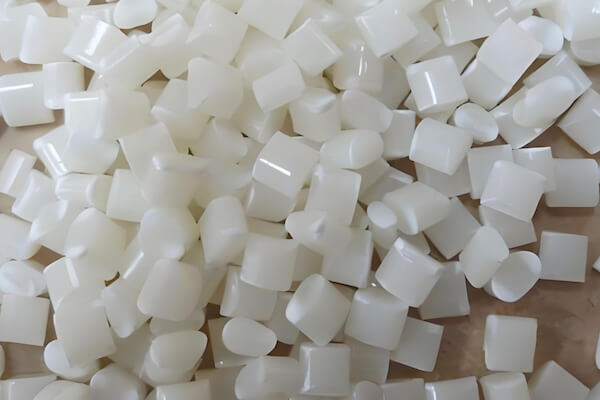
ABS is one of the most commonly used injection moulding materials due to its excellent balance of toughness, rigidity, and processability. This thermoplastic polymer performs well in both structural and aesthetic applications.
Key Benefits:
-
High impact resistance makes it suitable for protective housings and enclosures.
-
Good surface finish supports painting, plating, and texture.
-
Ease of moulding reduces cycle times and production costs.
You’ll often find ABS in consumer electronics, toys, automotive trim parts, and tool housings. However, it is not ideal for outdoor use because it degrades under UV exposure. To overcome this, manufacturers may add UV stabilizers or blend ABS with other materials like PC.
Because of its reliability and mid-range cost, ABS is a go-to material for engineers working on both functional prototypes and production parts.
PC (Polycarbonate)
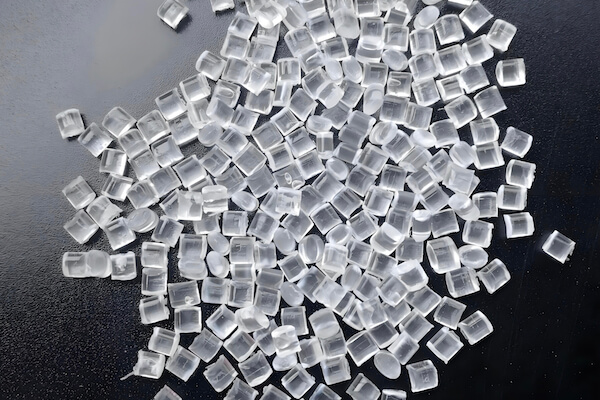
Polycarbonate (PC) is a high-performance injection moulding material known for its strength and optical clarity. It offers excellent impact resistance, making it ideal for products that require durability and transparency.
Key Advantages:
-
Exceptional toughness—PC can absorb high-energy impacts without cracking.
-
Transparent plastic—commonly used in lenses, covers, and optical parts.
-
Good dimensional stability—maintains shape under load and temperature.
You’ll often see polycarbonate injection molding in medical devices, safety equipment, LED light housings, and electronics screens. Its transparency and flame-retardant options make it popular in industries with strict safety standards.
However, PC is moisture-sensitive before processing. If not properly dried, it may develop stress cracking or visual defects. To ensure high-quality parts, manufacturers must maintain tight control over drying conditions and mould temperature.
Despite its higher cost compared to general plastics, PC is widely used when strength and clarity are critical. For engineers needing both mechanical and aesthetic performance, PC is a dependable choice in demanding environments.
PP (Polypropylene)
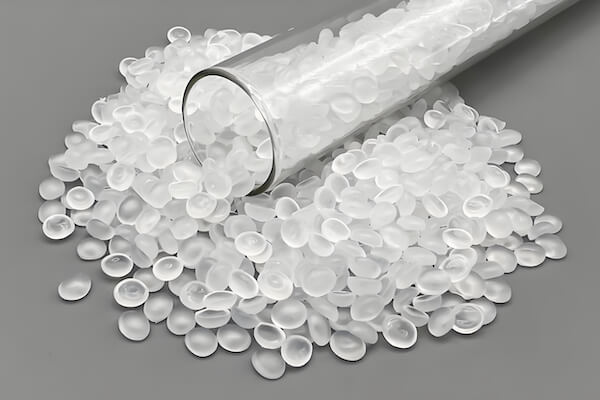
Polypropylene (PP) is a lightweight and chemically resistant material widely used in injection moulding. Its low density and cost-effectiveness make it ideal for high-volume applications where weight and durability matter.
Key Advantages:
-
Excellent chemical resistance against acids, bases, and solvents.
-
Low density contributes to reduced material use and shipping costs.
-
Good fatigue resistance allows it to handle repeated flexing.
Polypropylene molding is common in medical devices, food containers, packaging, and automotive components. Because it is inherently non-toxic and resistant to moisture, PP is often selected as a food-safe plastic in the consumer goods sector.
However, polypropylene has limited load-bearing strength. It may deform under continuous mechanical stress or at elevated temperatures. Designers often reinforce it with fillers or use ribbed geometries to improve rigidity.
Despite its limitations, PP remains a preferred material for many low-stress applications. It offers a reliable combination of cost, safety, and chemical durability, making it a practical option for disposable and semi-durable plastic parts.
PA66 (Nylon 66)
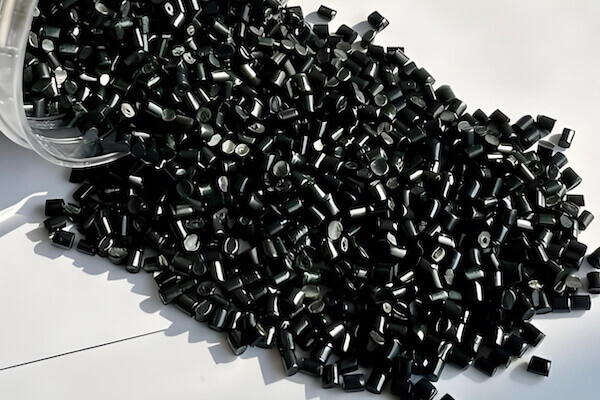
PA66 (Nylon 66) is a high-performance engineering plastic known for its excellent strength, stiffness, and thermal resistance. It performs reliably under mechanical stress, making it ideal for demanding applications.
Key Advantages:
-
High mechanical strength—supports structural loads in moving assemblies.
-
Thermal resistance—withstands elevated temperatures without deformation.
-
Low friction and good wear resistance—ideal for sliding or rotating components.
Nylon injection molding is widely used in automotive, electrical, and industrial sectors, particularly for gears, connectors, housings, and brackets. As one of the most popular engineering plastics, PA66 offers durability with design flexibility.
However, nylon is hygroscopic, meaning it absorbs moisture from the air. This can affect dimensional stability and long-term mechanical properties, especially in tight-tolerance assemblies. Proper drying before processing and accounting for expansion during design are essential.
Despite moisture sensitivity, PA66 remains a go-to material when strength and heat resistance are critical. For engineers requiring a balance between performance and machinability, PA66 delivers proven results across industries.
POM (Polyoxymethylene / Acetal)
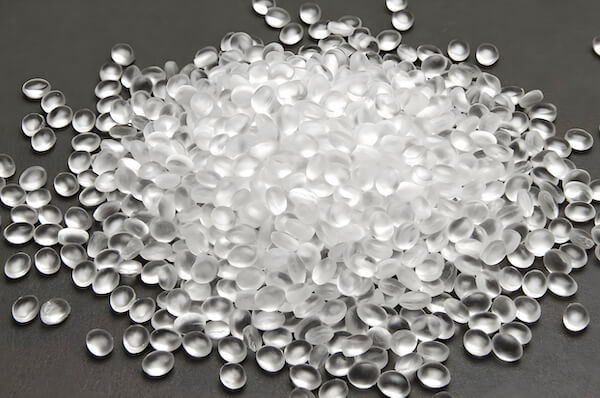
POM, also known as Acetal, is a precision injection moulding material valued for its excellent wear resistance and low friction. It offers high stiffness and dimensional stability, even in complex geometries.
Key Advantages:
-
Superior wear resistance—extends the life of moving parts.
-
Excellent dimensional stability—maintains shape under load and temperature.
-
Low coefficient of friction—reduces the need for lubrication.
POM molding is widely used in plastic gears, bearings, fasteners, and automotive actuators. Because of its ability to replicate tight tolerances, it’s a top choice for mechanical assemblies that require smooth, repeatable motion.
However, POM is sensitive to thermal degradation, especially during moulding at high temperatures. To ensure part integrity, manufacturers must strictly control processing parameters and avoid contamination with incompatible plastics.
When durability and precision are top priorities, POM delivers reliable performance. Engineers appreciate its ability to combine strength, machinability, and long-term wear resistance in demanding environments.
PS (Polystyrene)
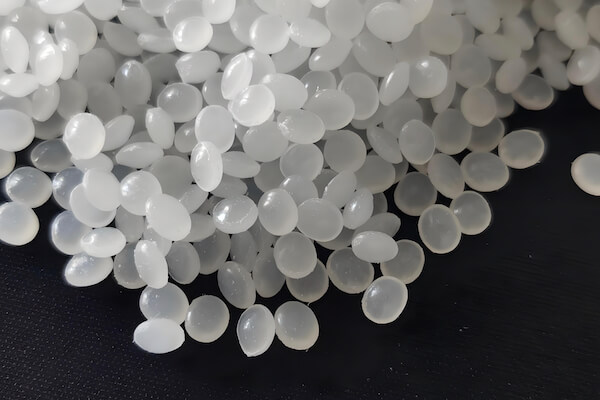
Polystyrene (PS) is a cost-effective plastic used in high-volume injection moulding. It offers good rigidity and is easy to process, making it suitable for many disposable products.
Key Advantages:
-
Low material cost—ideal for budget-sensitive applications.
-
Easy to mold—excellent flowability in complex cavity designs.
-
Good dimensional stability—maintains shape after cooling.
You’ll often find PS plastic in packaging trays, cutlery, CD cases, and consumer product housings. It’s a preferred choice when appearance, rigidity, and low cost matter more than strength.
However, PS is brittle and has poor impact resistance, especially in thin-wall parts. It can crack under stress or drop, limiting its use in structural or load-bearing applications.
Despite its limitations, cost-effective plastic solutions like PS remain important in industries where single-use, non-critical components are common. For disposable or decorative parts, PS offers a practical, scalable material choice.
PE (Polyethylene)
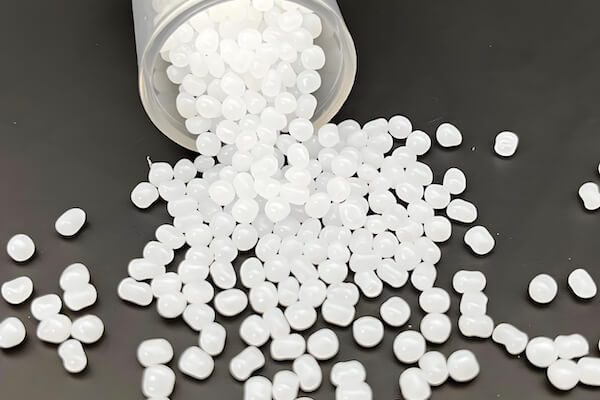
Polyethylene (PE) is a flexible, tough, and chemically resistant material widely used in injection moulding. It is valued for its versatility and low cost.
Key Advantages:
-
Excellent chemical resistance—resists acids, alcohols, and bases.
-
Tough and impact-resistant—performs well under repeated stress.
-
Flexible under low temperatures—suitable for cold storage use.
Polyethylene injection molding is commonly used for bottles, food containers, packaging films, and medical tubing. PE’s inert nature makes it a frequent choice in hygiene-sensitive and fluid-handling applications.
However, PE has poor dimensional stability and cannot hold tight tolerances. It tends to shrink and deform under load, which limits its use in precision assemblies or threaded components.
Despite these limitations, PE remains a reliable material for applications requiring chemical durability, flexibility, and low weight. It offers an ideal solution for cost-sensitive, non-precision parts that must endure tough environments.
TPE (Thermoplastic Elastomer)
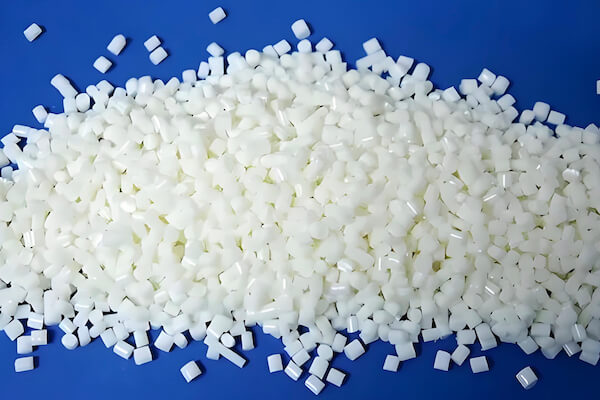
TPE combines rubber-like flexibility with thermoplastic processing benefits, making it ideal for parts that require softness and elasticity.
Key Advantages:
-
Soft-touch feel—comfortable and non-slip surface texture.
-
High flexibility—withstands repeated bending and compression.
-
Recyclable and reprocessable—unlike traditional thermoset rubbers.
TPE molding is widely used in grips, seals, overmolded components, and wearable devices. It provides excellent comfort and functionality in products that contact skin or require vibration damping.
Many soft-touch plastic products use TPE blended with other thermoplastics like PP or ABS. These blends improve adhesion and mechanical strength while retaining softness.
However, TPEs typically have lower mechanical strength compared to rigid plastics and may require structural support. Still, for user-friendly interfaces and flexible parts, TPE offers unmatched comfort and ease of manufacturing.
How to Select the Right Injection Moulding Material
Choosing the right plastic material is critical to product success. The wrong choice may lead to part failure, unnecessary costs, or manufacturing delays. A structured selection process helps avoid such risks.
Key Considerations:
-
Mechanical load—Evaluate if the part will face impact, tension, or wear.
-
Operating temperature—Choose materials with adequate thermal resistance.
-
Chemical and environmental exposure—Consider moisture, UV, or corrosive contact.
Use a material selection guide to compare options across key criteria like strength, flexibility, surface finish, and cost. Balance performance, budget, and processing ease to meet project goals.
In many cases, the best way to verify suitability is through rapid prototyping or small-batch testing. This allows you to evaluate actual performance before full-scale production.
Whether you’re developing a functional prototype or a high-volume product, choosing plastic material with intention and testing can save time and money. Collaborating with a knowledgeable injection moulding partner also ensures informed material decisions.
Conclusion
Understanding the strengths and limitations of common injection moulding materials is key to product success. From rigid engineering plastics like PA66 and POM to flexible options like TPE and PE, each material serves a distinct purpose.
The best choice depends on your product’s function, appearance, and environmental conditions. Whether you need impact resistance, clarity, chemical stability, or softness, there’s a material tailored for your application.
At RALLY Plastic, we help you select the right plastic through expert DFM support, material comparison, and rapid prototyping. Our team ensures your parts are optimized for performance, cost, and manufacturability.
📩 Upload your drawing or contact us today to get a free quote on custom injection moulding.